
Headland fires and first fixed lights
Early mariners relied on exposed braziers and small lantern houses set on cliffs. These irregular signals were weather-prone, but they established the first recognized nighttime waypoints along the coast.
Coastal chronology
From improvised beacons to preservation charters, these milestones trace how lighthouse life evolved across the northern coast.
1780s–1820s
Early mariners relied on exposed braziers and small lantern houses set on cliffs. These irregular signals were weather-prone, but they established the first recognized nighttime waypoints along the coast.
1830s–1870s
Public works surveys standardized tower placement, height, and masonry. Durable granite and brick structures replaced temporary lights, creating a dependable chain of navigation points for fishing and cargo routes.
1880s–1910s
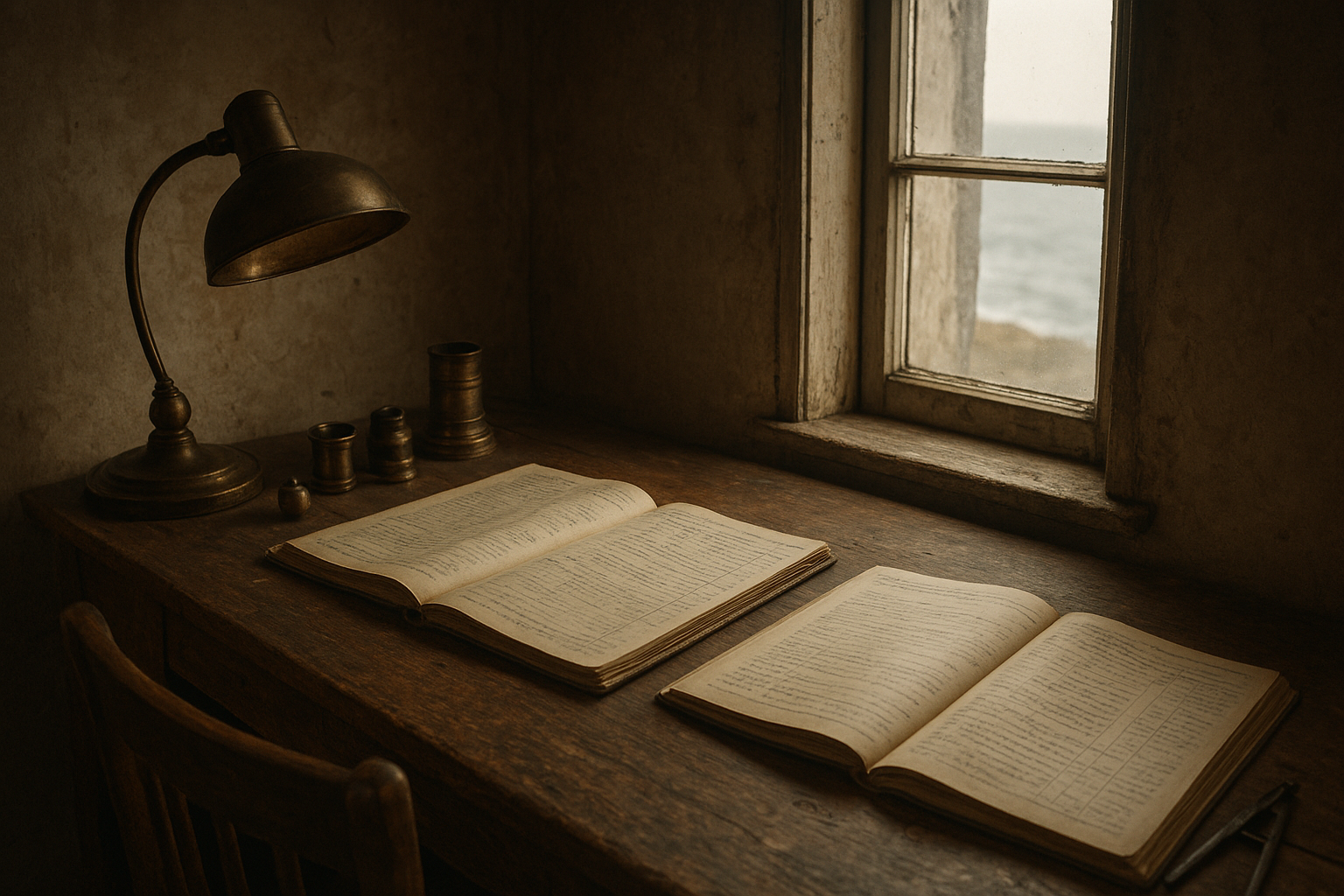
Fresnel lenses, clockwork rotation, and improved fog alarms introduced recognizable light signatures. Keepers followed strict maintenance logs, turning each station into both a beacon and a record-keeping post.
1940s–1970s
During conflict years, selected lights were dimmed or shielded, then modernized afterward with electric systems and remote controls. By the late twentieth century, many stations no longer required resident keepers.
1980s–Today
Conservation groups stabilized endangered towers, digitized station journals, and opened selected sites for interpretation. The current era links restoration work with archival access, so structure and story are preserved together.